The science of DSIP
Delta Sleep-Inducing Peptide (DSIP) is a nine-amino-acid peptide first described in sleep-related experimental research in the 1970s. dsip.shop organizes published research on DSIP, its history, molecular characteristics, proposed biological mechanisms, sleep-related studies, and the limitations of the available evidence.
Mixed, small human studies
Unresolved; receptor unidentified
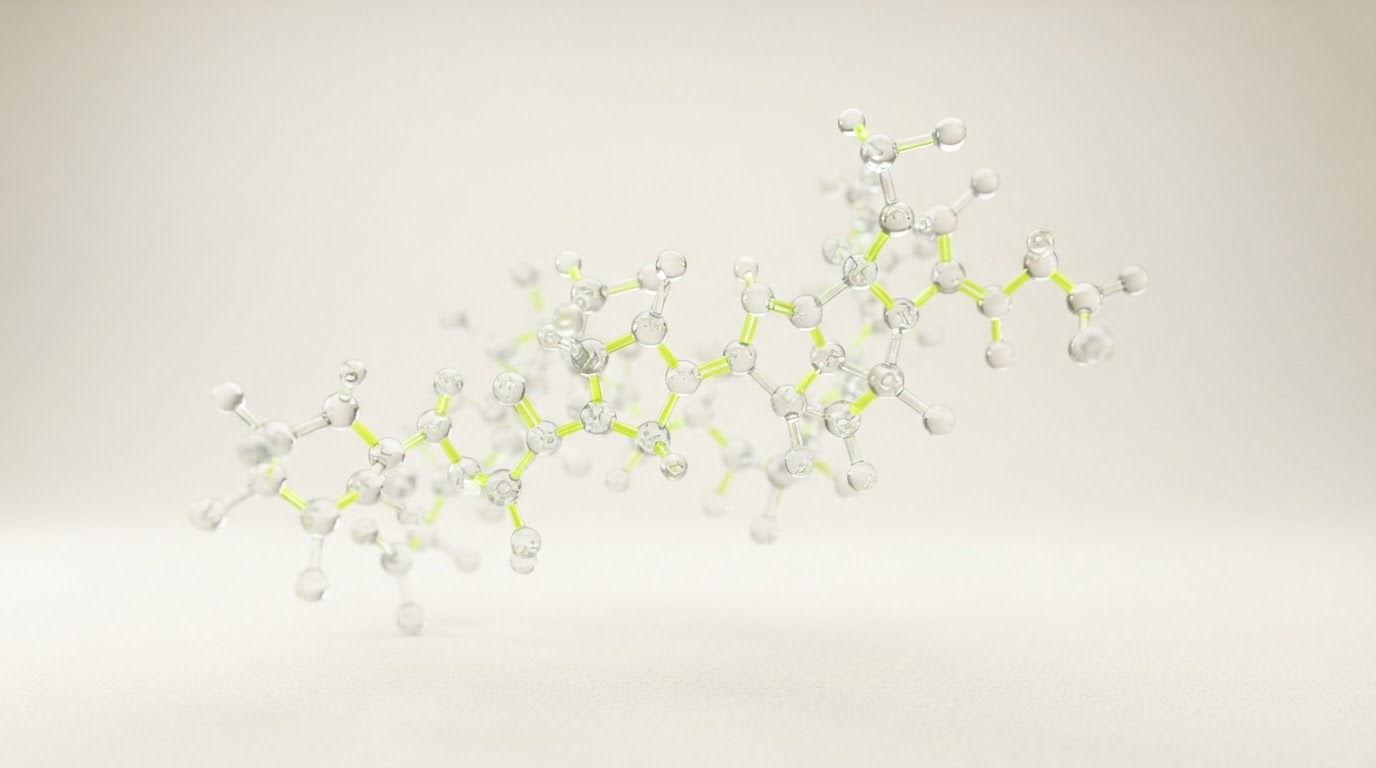
Nonapeptide
9 amino acids
What researchers have studied about DSIP
DSIP is a nonapeptide (Trp-Ala-Gly-Gly-Asp-Ala-Ser-Gly-Glu) isolated from rabbit cerebral venous blood in 1977. Its name records an early EEG observation; it does not establish that DSIP promotes sleep in humans, and reviewers have described the evidence as weak and unresolved.
DSIP research milestones, 1977 to 2006
Tap through the milestone trail — from the 1977 discovery in rabbit brain tissue to a 2006 review calling the sleep hypothesis unresolved.
Isolation and Rabbit EEG Study
Schoenenberger and Monnier characterized a peptide isolated from rabbit cerebral venous blood. Synthetic DSIP infused into rabbit brain ventricles enhanced delta and spindle EEG patterns.
Read the trials yourself
We don’t ask you to take our word for it. Jump straight to the primary literature and decide for yourself what the science says about DSIP.
PubMed: DSIP Literature
Browse the full body of peer-reviewed DSIP research papers indexed in PubMed — from the original 1977 isolation through modern sleep and stress studies.
Search PubMedClinicalTrials.gov
Search registered clinical trials involving DSIP and related sleep-modulating peptides on the U.S. National Library of Medicine trial registry.
View TrialsGoogle Scholar: DSIP
Explore the broader academic literature on Delta Sleep-Inducing Peptide, including reviews on HPA axis modulation and sleep architecture research.
Search ScholarResearch Use Only
For educational and research reference only. Not medical advice. Not for human or animal use. Research peptides are Research Use Only (RUO).